Maximizing Flexibility with Thai Massage Techniques in Durham
Healing Strength Massage Therapy • August 19, 2026
Maintaining an active lifestyle requires a proactive approach to muscle recovery and joint mobility. Many active adults struggle with persistent stiffness that limits their athletic performance and daily comfort. Through targeted techniques, Thai massage flexibility benefits offer a reliable way to reduce muscle tension and restore your natural range of motion. At Healing Strength Massage Therapy, we provide an environment where you can reconnect with your body and experience profound physical relief.
This holistic practice blends acupressure with guided stretching to help realign your physical structure. The therapy acts as a sanctuary where you can safely let go of physical restrictions and dissolve the pain that distracts you. By addressing the deeper layers of muscle, holding you open up pathways for circulation and vital energy flow. Implementing a few professional strategies before and after your session will ensure you get the most out of every appointment in Durham.
What We Cover:
- Tip 1: Arrive Hydrated to Support Fascial Glide
- Tip 2: Communicate Your Specific Movement Restrictions
- Tip 3: Focus on Your Breath During Passive Stretching
- Tip 4: Allow Time for Tissue Integration Post-Session
- Frequently Asked Questions
- Support Your Active Lifestyle Today
Tip 1: Arrive Hydrated to Support Fascial Glide
The connective tissue wrapping around your muscles relies on adequate water content to move smoothly. When you are dehydrated, these tissues become sticky and resistant to stretching. Arriving well hydrated ensures your body responds favorably to therapeutic manipulation.
- Hydrate Effectively: Drink plenty of water the day before your appointment so that hydrated fascia responds much faster to acupressure.
- Limit Caffeine: Avoid heavy caffeine intake immediately prior because it can constrict blood vessels and limit the circulatory benefits.
- Post Session Care: Continue hydrating after your session.
Tip 2: Communicate Your Specific Movement Restrictions
Your practitioner needs to know exactly where you feel limited during your daily activities. Pointing out specific areas of tightness allows the therapist to tailor the passive stretching routines to your unique structural needs. Honesty about your physical limitations ensures a safe and highly effective session.
- Past Injuries: Mention previous athletic injuries because knowing your history helps the therapist protect vulnerable joints during stretches.
- Pain Triggers: Describe the motions that trigger discomfort, as this provides clues about which specific muscle groups require targeted acupressure.
► Client Experience: Michael was great. It was my first time with a Thai massage, and he took time to listen to my concerns, areas of discomfort, and thoroughly explained what he was doing. It was a calming and reassuring experience; I rebooked before leaving. We will be working on healing stressed tendons in my hips. I have felt energized and relieved of some, if not most, pain in the days following our first appointment. His office was easy to locate in Durham, NC. Many thanks.
Taking the time to discuss your physical goals directly leads to the kind of targeted relief that lasts for days.
Tip 3: Focus on Your Breath During Passive Stretching
Breathing is a powerful tool for communicating safety to your nervous system. Deep rhythmic exhalations stimulate the parasympathetic nervous system, which signals your muscles to relax. Holding your breath during a stretch triggers a protective reflex that actually prevents the muscle from lengthening.
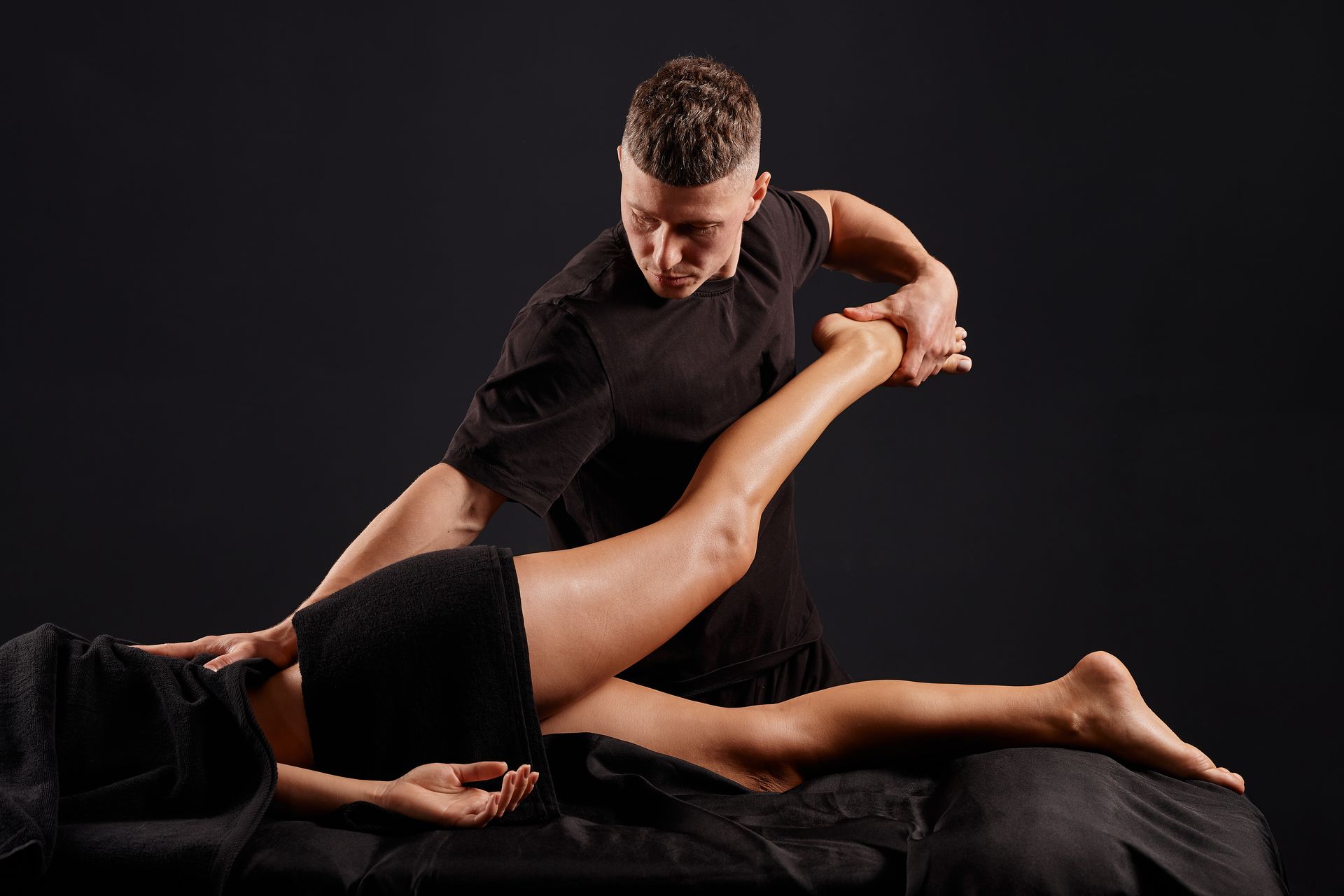
- Rhythmic Breathing: Sync your breathing with the movement and exhale slowly as the therapist guides your limb into a stretch.
- Internal Focus: Focus on the rhythm of your heart and let the compassionate touch ground you in the present moment.
- Letting Go: Release the illusion of separateness and allow the support of the mat to carry your weight completely.
Tip 4: Allow Time for Tissue Integration Post-Session
Your muscles and nervous system need time to adapt to their new resting lengths. Jumping immediately into a heavy workout can shock the freshly released tissues and cause them to spasm. Gentle movement is the best way to help your body integrate the structural changes.
- Rest Periods: Plan for a relaxed evening and give your body the necessary downtime to absorb the circulatory benefits.
- Gentle Mobility: Engage in light walking because this helps maintain the newly established joint mobility without causing strain.
- Awareness: Notice changes in your posture and pay attention to how your body naturally rests in a more aligned position.
Frequently Asked Questions
What should I wear to a Thai massage appointment?
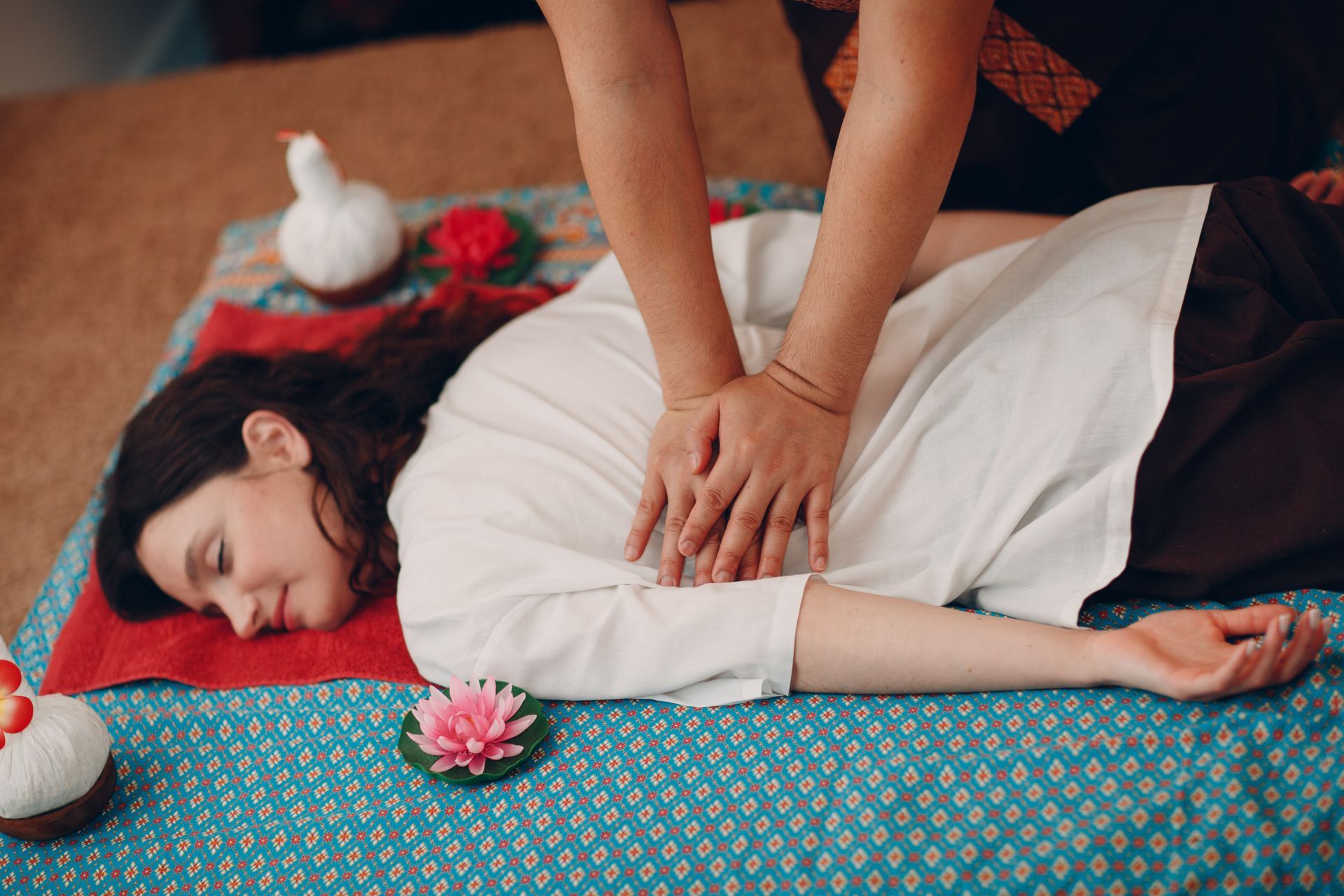
Because this modality involves dynamic stretching and is performed without oils, you will remain fully clothed. You should wear loose, comfortable clothing like yoga pants or soft athletic wear that does not restrict your joints. Avoid jeans or rigid fabrics because they prevent the therapist from accurately assessing your joint mobility and executing the necessary stretches.
How often should active adults get a Thai massage?
The ideal frequency depends on your training volume and the physical demands of your daily routine. For general maintenance and flexibility support, receiving a session every four weeks is highly effective for keeping tissues pliable. If you are actively training for an event or managing chronic stiffness, scheduling sessions every two weeks supports quicker recovery from workouts.
Can Thai massage assist in preventing sports injuries?
Yes, it is an excellent tool for injury prevention because it maintains the elasticity of your connective tissues. When muscles remain tight, they pull unevenly on your joints, which creates poor biomechanics during physical activity. By restoring balance to these muscle groups, the therapy reduces the likelihood of tears and sprains while keeping your body resilient.
Support Your Active Lifestyle Today
Understanding how to properly prepare and recover from your sessions maximizes the physical benefits you receive. Maintaining your flexibility is an ongoing commitment to your overall health and daily comfort. Book your appointment today and take a proactive step toward preserving your mobility and peace of mind.
Share This Blog