5 Signs You're Overdue for a Sports Massage
Healing Strength Massage Therapy • November 17, 2026
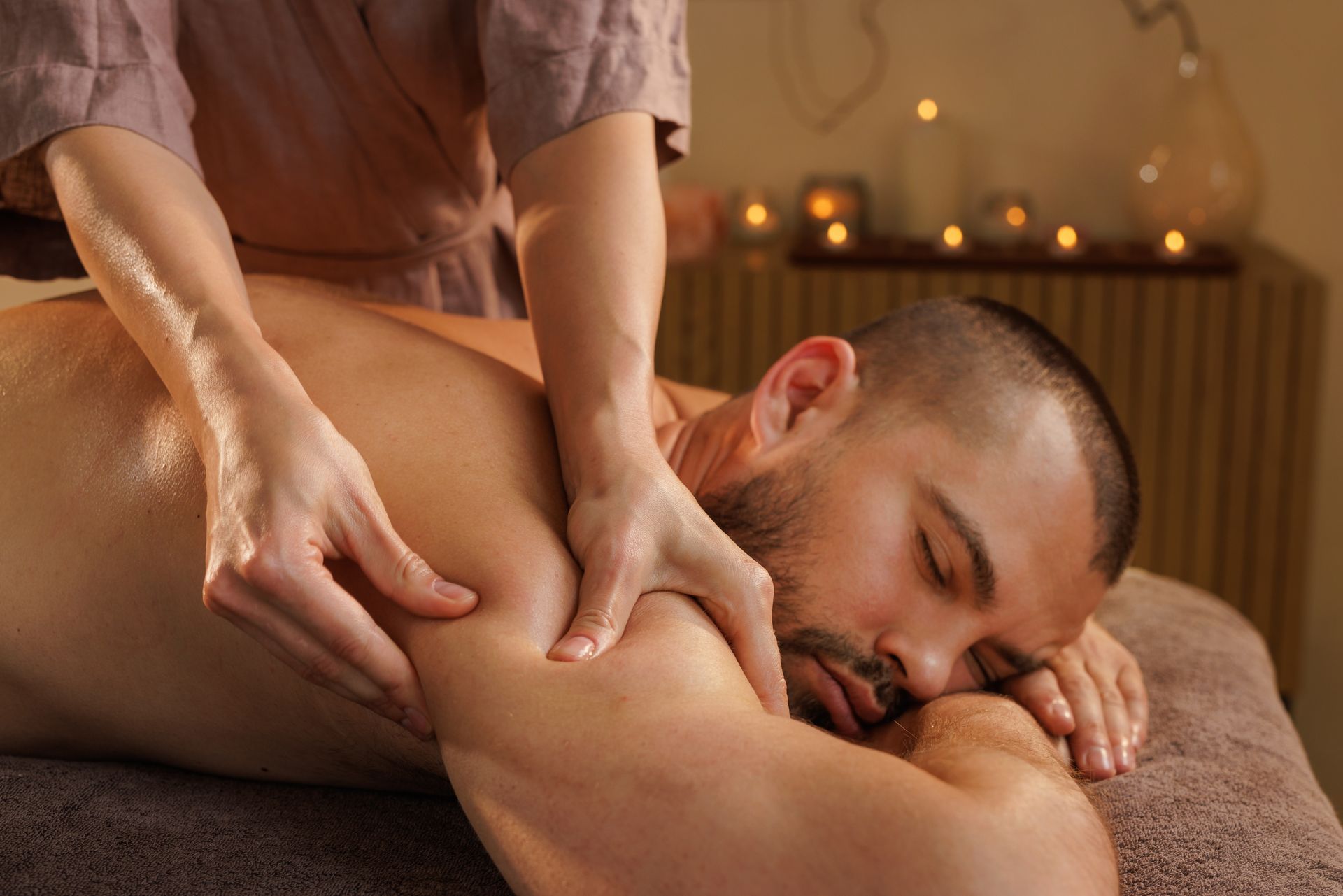
Sports massage gets associated almost exclusively with athletes deep in a training cycle, which means a lot of people who'd genuinely benefit from it never book a session, simply because they don't see themselves in that category. The technique itself is built around active muscle recovery and performance support, and the signs it's time for one show up well before someone identifies as a serious athlete.
Recognizing those signs early tends to prevent smaller issues from becoming the kind of chronic tightness that takes much longer to work through later.
What We Cover:
- Tip #1: Recovery Is Taking Longer Than It Used To
- Tip #2: One Side Consistently Feels Tighter
- Tip #3: Performance Has Quietly Plateaued
- Tip #4: Soreness Shows Up a Day Late, Every Time
- Tip #5: You've Changed Your Activity, But Not Your Recovery Routine
Tip #1: Recovery Is Taking Longer Than It Used To
If the same workout or activity level used to leave you feeling fine the next day, and now leaves you sore for two or three days instead, that shift is worth paying attention to.
● Watch For: Soreness that lingers well past 48 hours for an activity level that used to recover faster.
● Clinical Insight: Slower recovery often reflects accumulated tension in supporting muscle groups, not just the muscles doing the obvious work, which is exactly the kind of pattern a targeted session can address directly.
Tip #2: One Side Consistently Feels Tighter
Everyone has some natural asymmetry, but a persistent, noticeable difference between your left and right side during activity is a genuine signal, not just a quirk to ignore.
● Watch For: Favoring one side during a workout, run, or repetitive activity without consciously deciding to.
Tip #3: Performance Has Quietly Plateaued
When range of motion or output stalls despite consistent training, restricted tissue rather than a training-plan problem is often the actual limiting factor.
● Clinical Insight: Tight, restricted muscle tissue can limit range of motion in ways that show up as a performance plateau long before it's felt as actual pain, which is why this sign gets missed so often.
Tip #4: Soreness Shows Up a Day Late, Every Time
Delayed onset soreness that consistently peaks around 24 to 48 hours after activity, rather than fading steadily, can indicate that muscles are staying more guarded than they need to be between sessions.
● Watch For: A pattern where soreness gets worse before it gets better, rather than gradually improving from the day of activity onward.
Tip #5: You've Changed Your Activity, But Not Your Recovery Routine
Starting a new sport, increasing training volume, or simply becoming more active after a period of being sedentary all change what your body needs for recovery, even if your actual recovery habits haven't changed to match.
● Ask Yourself: Has your activity level shifted meaningfully in the last month or two without any adjustment to how you're supporting recovery?
Frequently Asked Questions
1. Do I need to be a competitive athlete to benefit from sports massage?
Not at all. Anyone with a consistent activity routine, from weekend runners to people who've recently increased their general activity level, can benefit from the targeted recovery support sports massage provides.
2. How often should sports massage fit into an active routine?
This depends on activity level and intensity, and it's worth discussing directly at your first session so a schedule can be built around your specific routine rather than a generic recommendation.
It's worth noting that these signs often show up gradually enough to become the new normal without you noticing the shift. Someone who's slowly gotten used to three-day recovery windows, for instance, may not consciously register that as a problem anymore, simply because it's been true for long enough to stop feeling unusual.
If any of these five signs sound familiar, that's a reasonable prompt to book a session rather than waiting for something to actually hurt. Catching a recovery pattern early is generally easier to address than working through tightness that's had months to settle in.
Share This Blog